All Categories
Featured
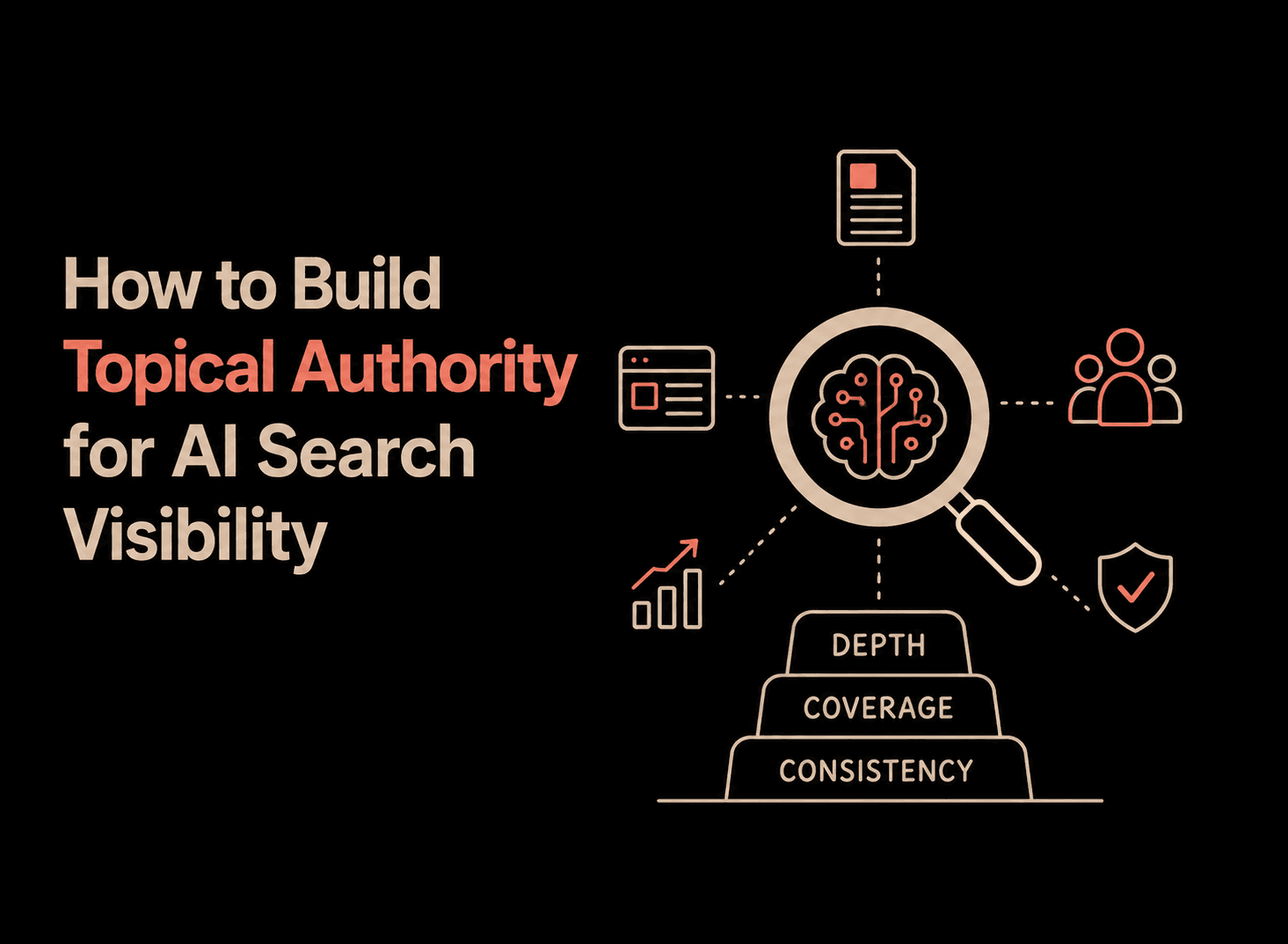
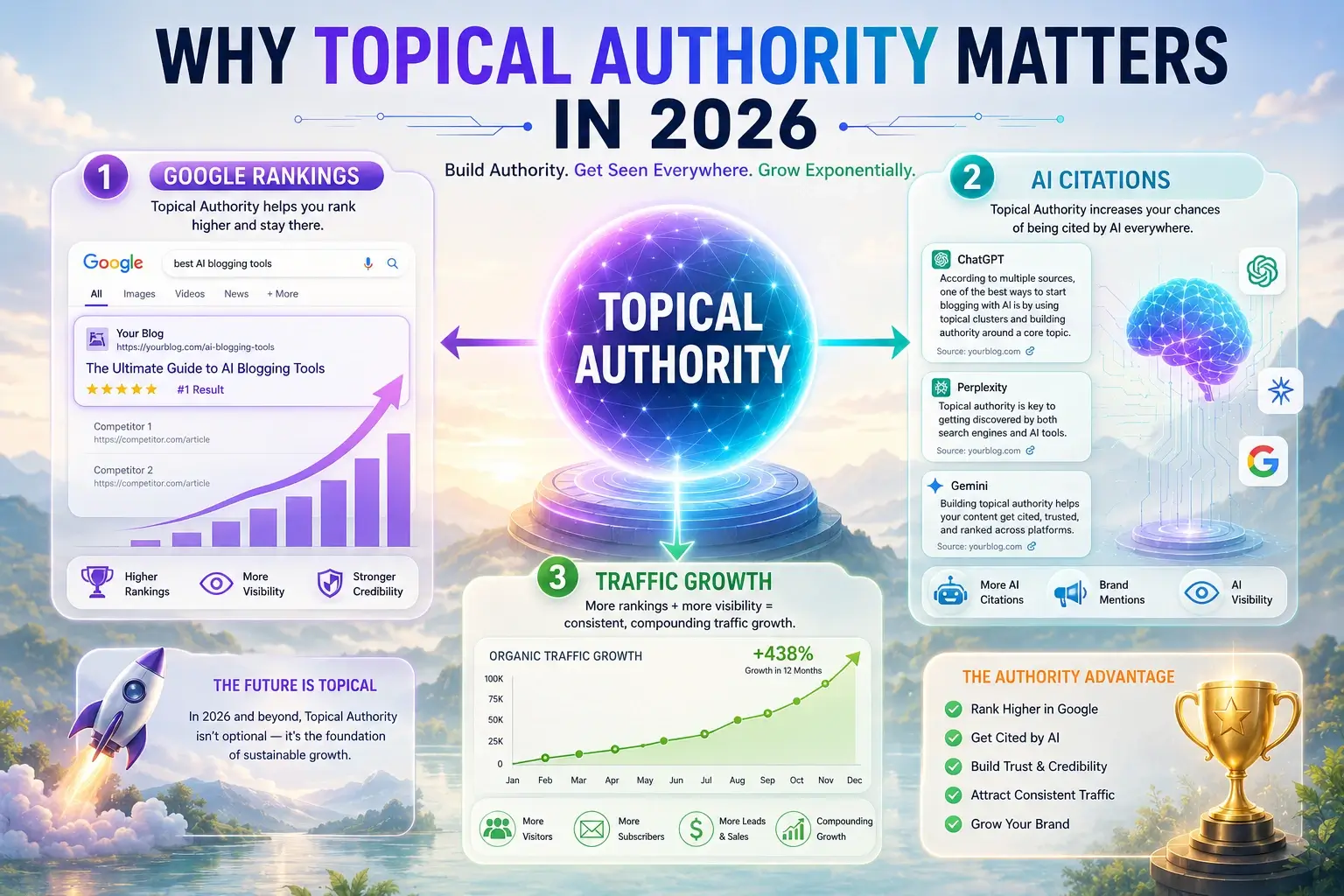
How to Scale Niche Authority With ML Systems
Table of Contents
Agents based on big language models (LLMs) for device knowing engineering (MLE) can immediately execute ML models by means of code generation. Nevertheless, existing methods to develop such agents typically rely heavily on inherent LLM knowledge and utilize coarse expedition methods that customize the entire code structure simultaneously. This restricts their ability to choose efficient task-specific designs and carry out deep expedition within particular parts, such as exploring extensively with feature engineering choices.
MLESTAR first leverages external understanding by utilizing an online search engine to retrieve efficient models from the web, forming a preliminary solution, then iteratively fine-tunes it by exploring different methods targeting specific ML parts. This expedition is guided by ablation studies analyzing the effect of individual code blocks. We present a novel ensembling method using a reliable method recommended by MLE-STAR.
Significantly: these updates are powered by on-device ML models, which indicates your data remains personal, and never leaves your gadget. Safe Surfing in Chrome helps safeguard billions of devices every day, by revealing cautions when people try to browse to hazardous websites or download hazardous files (see the big red example listed below).
Developing Automated Authority Systems for US Markets
To further enhance the searching experience, we're likewise developing how individuals connect with web notifications. On the one hand, page notifications assist deliver updates from websites you care about; on the other hand, notification authorization triggers can end up being a nuisance. To assist people browse the web with very little disruption, Chrome forecasts when consent triggers are not likely to be granted based on how the user previously connected with comparable authorization prompts, and silences these undesirable prompts.
Schema Markup and Structured Datais changing the way we connect with the digital world. It offers systems the capability to gain from information and change to new knowledge, opening up a plethora of capacity in various industries. Device learning is the foundation for numerous current developments, such as and It is transforming how we live, work, and use technology.
How Google Uses Machine LearningWe will take a look at in this short article. We will take a look at how artificial intelligence can be applied to and. Through the assessment of the existing innovations and breakthroughs, we will identify the Table of Content is a subset of that allows computers to gain from information and make decisions or forecasts without being clearly set.
Artificial intelligence's ability to "learn" is what gives it its power particularly when handling complicated patterns, high information volumes, or unpredictable outcomes. There are Google uses machine knowing across a broad variety of services and products, continually pushing the boundaries of what is possible with AI. Listed below, we explore how Google applies ML to its numerous offerings: has changed so much with device learning.
2026 Future of Automated Content in the US
uses maker learning to reveal pertinent results based upon previous user habits even with never before seen search terms. In 2019, (Bidirectional Encoder Representations from Transformers) took it an action even more and helped the system comprehend context especially in natural language. It checks out words in relation to each other and fine-tunes outcomes based upon subtle interpretations.
By analyzing huge amounts of historical information and actual time inputs such as, and Google Maps forecasts the very best paths. The addition of permits Maps to adapt and fine-tune its predictions over time. It gains from countless user interactions, taking into consideration things like andto recommend the very best routes.
Schema Markup and Structured DataOver time, this feature changes based on the user's. To detect possible, Gmail's mainly utilizes.
Additionally, enhances by optimizing and focusing on appropriate emails based upon. transforms the way users organize and search through their image libraries. Through and, helps the platform instantly classify photos based upon their content. This could include tagging photos with labels like "," "," or "." In time, as the system processes more images, it becomes much better at acknowledging and categorizing diverse things.
How to Use AI for Your Business Strategy
likewise leverages to enhance by changing,, and, creating more professional-looking images with minimal effort. relies greatly on to suggest videos that are most likely to engage users. The platform's examines a range of aspects, consisting of,,, and. By taking a look at patterns in, identify material that aligns with private preferences.

Latest Posts
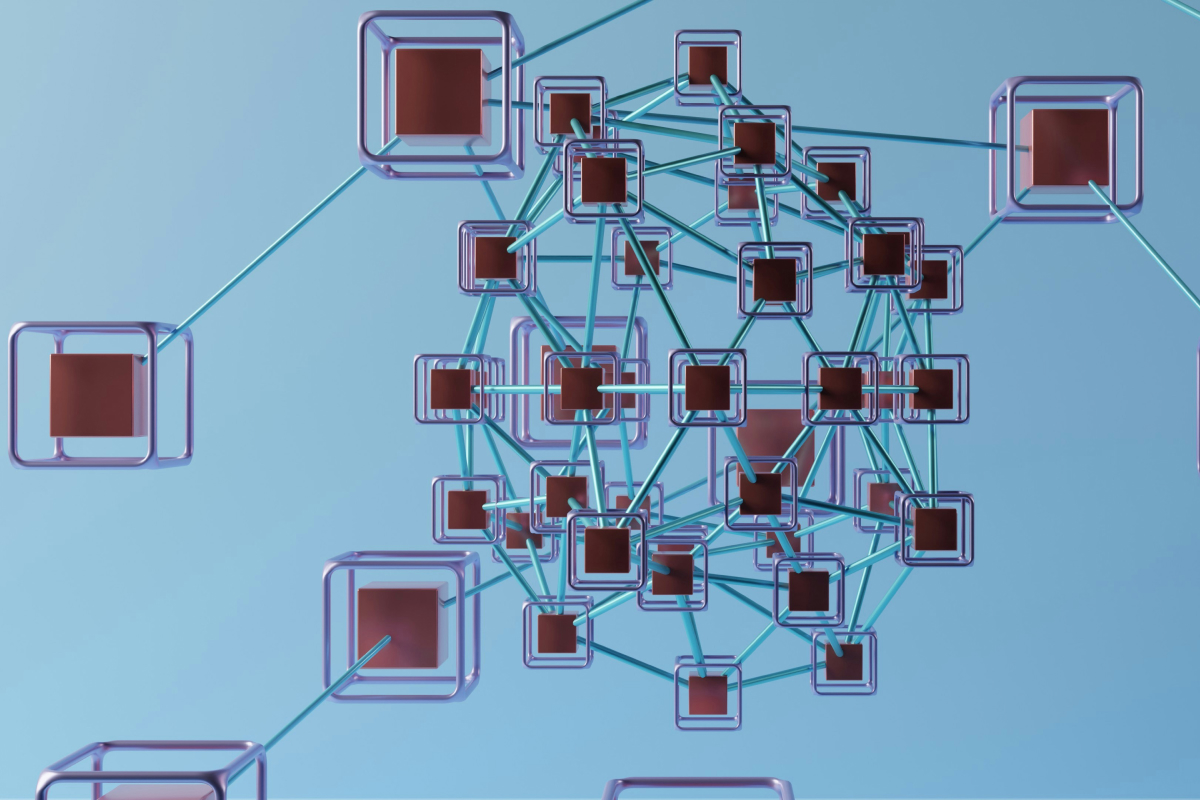
How to Scale Topical Authority With ML Systems

The Future of US SEO Systems
Scaling Semantic Authority Through AI Content